

New Owner, and Editor, Take Over U.K.’s Spectator
Push into U.S. might help justify $131 million purchase price

[The Editors is called The Editors, plural, not The Editor, singular, for a reason. When I launched it, a shrewd friend advised, “it can’t just be you.” I’m delighted to start introducing some additional voices. Today’s comes from Michael Mosbacher, who is associate comment editor at London's Daily Telegraph. He is a past editor of Standpoint and The Critic, having co-founded both British magazines.—Ira Stoll.]
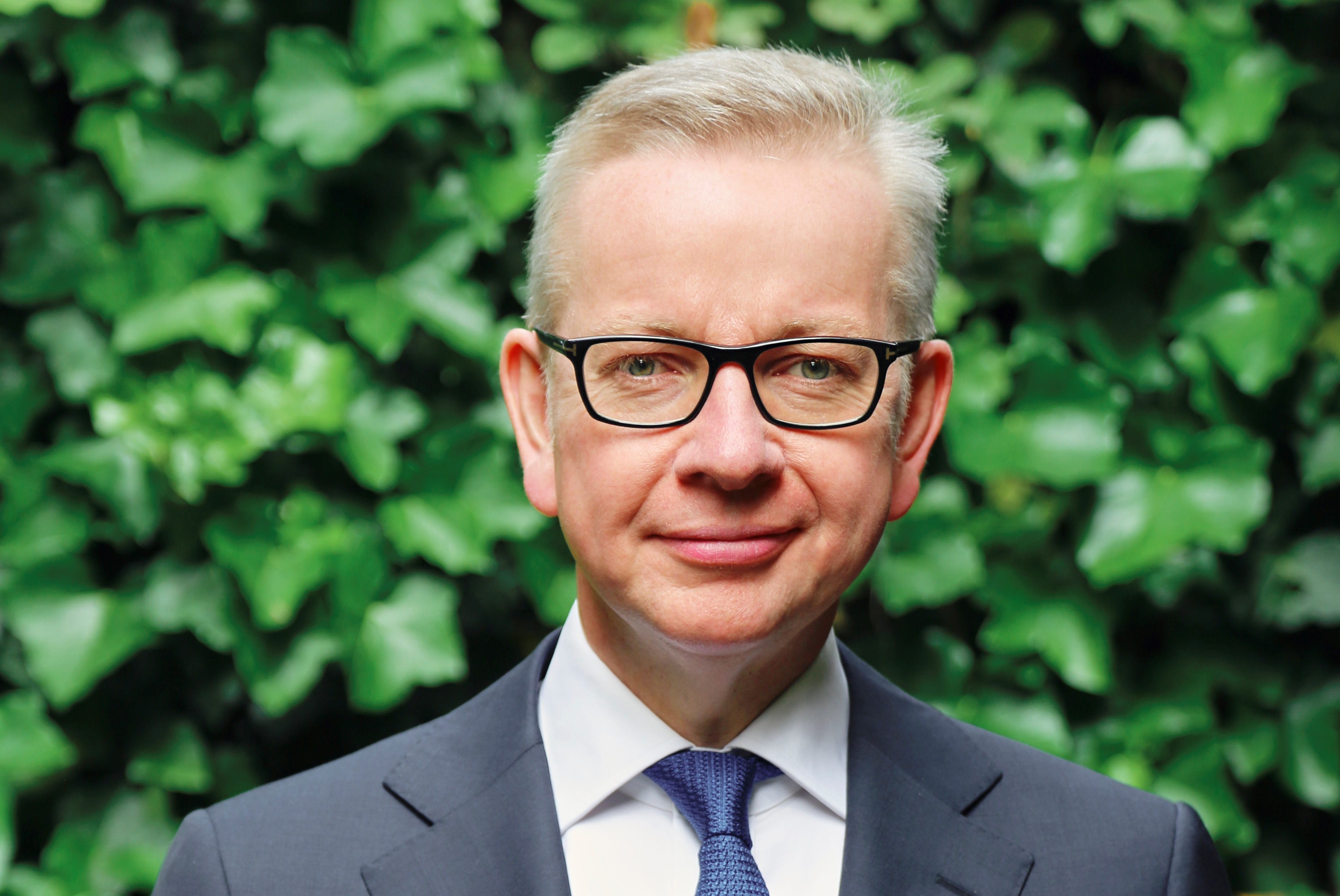
London’s Spectator, the most influential English-language conservative weekly outside the United States (now, there is a niche claim), has a new owner—and a new editor is bringing out his first issue this week. This is not purely a parochial matter for those interested in Westminster politics (although it most definitely is that too); it has lessons for the future of conservative journalism generally.
If the plans of the new owner work out, the title will become much more visible in the United States. The magazine sold for over £100 million ($131 million) – quite a premium for a title with fixed assets of just £850,000 ($1.1 million), whose most recent annual accounts report operating profits of £2.6 million ($3.4 million) on a turnover of £20.8 million ($27 million).
The price only makes sense if the purchaser believes it can hugely increase its number of subscribers. The most obvious place with a sufficiently large market for classy English-language conservative commentary is the U.S.
The Spectator reports a paid-for circulation of just over 90,000 – just over 50,000 in print and just over 40,000 digitally. While many titles double-count their print and digital subscribers—claiming in the small print that when you buy a bundled package you are buying both varieties and as if by magic you appear in the figures twice—the Spectator does not appear to be doing that.
The magazine has already entered the US market with Spectator World, initially called Spectator USA until the use of that name was successfully blocked by the wholly unconnected American Spectator. The magazine’s buyer, Paul Marshall, appears to believe there is room for significant expansion.
The Spectator, founded in 1828, has been an intrinsic conduit of British Tory rivalry and debate for most of its history – even changing the way the party chooses its leader back in the 1960s. A famous 1964 book review by the magazine’s then-editor Iain Macleod, previously a cabinet minister and prime ministerial hopeful, forever blew up the practice of the Conservative Party leader “emerging” through soundings, with nothing as vulgar as an actual election. During the 1975 referendum on Britain’s membership of what was then the European Economic Community, The Spectator was—alongside only the Communist Morning Star—forlornly calling for British withdrawal as a lonesome voice in the wilderness. Indeed, the “No” campaign had its executive meetings in the magazine's offices. By the time the UK finally voted to leave in 2016, the British media landscape had changed so that many had joined the earlier call for Brexit.
Margaret Thatcher’s key ally, and later nemesis, Nigel Lawson edited the Spectator in the 1960s before entering politics. And Boris Johnson’s own editorship in the early 2000s certainly played its part in his journey to the premiership. Just recently, Rishi Sunak’s chief political advisor moved to No 10 Downing Street from being the Spectator’s political editor.
The editor until last week, Fraser Nelson, had been appointed in 2009, then as a relative unknown. He has boosted the magazine’s circulation—especially successfully during the Covid lockdowns, on which he was a strongly skeptical voice—both by bolstering it as an essential source of intelligence on what is going on in the Tory universe, but also by maintaining its broad cultural reach. While the political coverage is what is most talked about, only maybe 20 percent or so of the magazine is about politics. The rest is cultural and lifestyle–making it more palatable to a wider audience.
Marshall, the co-founder of Marshall Wace—one of Britain’s largest hedge funds—has long dabbled in politics. He started off on the pro-market wing of Britain’s centrist Liberal Democrats, and attempted to nudge them in a pro-market direction. Then the debates about Britain’s membership of the European Union (Marshall is a staunch Brexiteer) tipped him over to becoming a full-throated part of Britain’s Right.
Marshall is the part-owner of GB News, Britain’s rather tamer, nascent version of Fox News—the channel’s presenters include Reform leader Nigel Farage and self-parodying former Tory MP Jacob Rees Mogg. Even if GB News wished to be more strident, it is hemmed in by UK press regulation—against which it has in any case come off worse on a number of occasions. He also set up the opinion website UnHerd—this is the venture that is purchasing The Spectator. Not for the first time, a much smaller wholly digital start-up is taking over a renowned and long established print title.
With Michael Gove as its new editor, the magazine is going back to its time-honored tradition—it has plucked a prominent Tory politician from retirement. Gove, a Times journalist before being elected to Parliament in 2005, has been a leading Conservative voice over the past 20 years. His place in the party is difficult to pigeonhole—he was a key ally of former prime minister David Cameron’s project to “modernize” the party by making it more in tune with contemporary metropolitan mores, but Gove split with Cameron over Europe. Gove was the leading figure in the Brexit campaign, alongside Boris Johnson, before the two had a spectacular falling out.
What Gove undoubtedly has is a passion for the debates within the broad conservative family. He will want The Spectator to participate in and be a place for these debates. If the title is used as too much of a vehicle for factional fighting, though, that might also alienate some readers. Gove must also ensure that The Spectator retains sufficient non-political coverage to entertain a wider market. It will be a difficult tightrope to traverse.