

Apple Invests in America
Half-trillion dollar announcement marks Steve Jobs’s 70th birthday

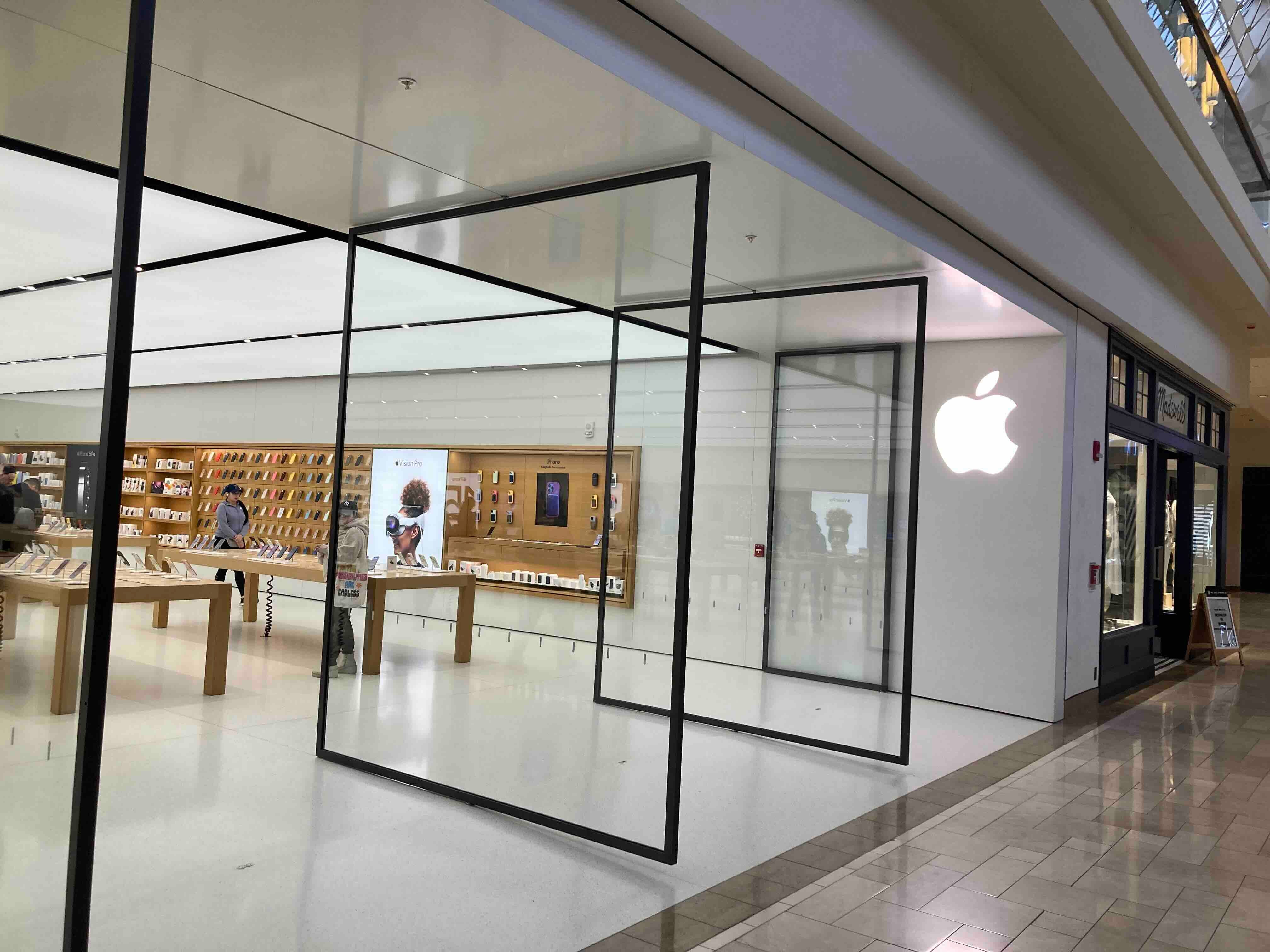
Apple CEO Tim Cook chose what would have been Steve Jobs’s 70th birthday to announce a $500 billion investment in America.
It’s a newsworthy commitment. At a time of overwhelming negativity about the Trump administration from academia and much of the press, Cook pronounced, “We are bullish on the future of American innovation.”
Investors seemed pleased by the announcement. Apple stock is up as I write. That is not the reaction that would be reasonable if one thought that the company’s management was merely caving and making economically foolish decisions in response to some sort of shakedown from Trump.
As interesting as the decision to invest in America is the announcement of the particular sites in America where the investments will be made.
A “new manufacturing facility in Houston,” in Republican-dominated Texas, where energy is cheap and plentiful and where Rice University helps to supply an educated workforce.
Where else? Apple “plans to continue expanding data center capacity in North Carolina, Iowa, Oregon, Arizona, and Nevada,” the press release says. “Apple’s suppliers already manufacture silicon in 24 factories across 12 states, including Arizona, Colorado, Oregon, and Utah.” And “Apple’s U.S. Advanced Manufacturing Fund has supported projects in 13 states — including Kentucky, Pennsylvania, Texas, and Indiana.” Also, “Apple will open the Apple Manufacturing Academy in Detroit.”
Aside from a brief mention of “a new collaboration with UCLA’s Center for Education of Microchip Designers,” California doesn’t get much attention in the press release. Neither do other Democrat-dominated states such as Massachusetts or New York. Among the states mentioned in the Apple press release, Arizona, Nevada, North Carolina, Pennsylvania and Michigan cover five of the seven battlegrounds that Trump won in the 2024 election.
Apple has invested a lot in China, which hasn’t been working out so great lately. This announcement may represent a belated conclusion that whatever one’s concerns may be about Donald Trump, when it comes to property rights, freedom, and rule of law, the United States is nonetheless a better bet than China.
Trump’s second term will be judged in the end not only by investments from already-established giants such as Apple, but also by whether the president and Congress and state and local governments help to create the conditions for new companies to be launched and to rapidly grow from garage-based dreams into reality. When Jobs and Steve Wozniak founded Apple on April 1, 1976, Wozniak was 25 and Jobs was 21. Perhaps one day a half-century from now some company founded this year will be announcing the equivalent of a half-trillion dollar investment in America. It is all a reminder of how American innovation depends on human genius, hard work, and creativity and also on a public policy environment that allows those qualities to flourish and prosper.
I wonder how many local or state subsidies and tax breaks will come with these investments.